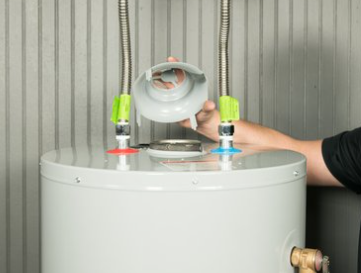
Installing a water heater starts with selecting the right type and sizing for replacement. Prepare the space, gather the tools, and confirm local codes. Shut off electricity, gas, and water, then secure the area and verify safe shutoffs. The next steps require careful venting, proper connections, and pressure relief installation. After setting the unit, test for leaks and safe operation. Details on each task will clarify the process and prevent costly mistakes.
Identify Your Water Heater Type and Sizing
To identify the correct water heater type and determine sizing, start by cataloging available options (tankless, storage tank, heat pump, solar) and note each unit’s energy source, storage capacity, and recovery rate.
The analysis focuses on replacing old unit considerations and refrigerant free options, ensuring practical selection criteria, precise capacity matching, and clear efficiency expectations for freedom-seeking owners.
Prepare the Installation Space and Gather Tools
Before proceeding with installation, the technician assesses the available space for compliance with local codes and system requirements, then clears and prepares a safe work area. Tools are organized and inspected for safety.
Identify required fittings, hoses, and brackets. Note insulation options to minimize heat loss and vibration. Evaluate noise considerations to select a quiet mounting position and stable, accessible routing.
Shut Off Utilities and Make Safe Connections
Shut off the building’s utilities and secure all connections prior to any work. The procedure disables electricity, gas, and water feeds, then isolates the water heater area. Inspect for leaks and loose fittings. Prepare safe access for outdoor venting considerations and ensure proper gas line sizing meets local codes. Verify shutoffs remain accessible and labeled, then document findings.
Install, Inspect, and Test Your Water Heater Safely
Installation requires careful sequence and verification to ensure safe operation and compliance with code.
The text presents a practical, procedural approach to install, inspect, and test a new unit, verifying connections, venting, and pressure relief.
It emphasizes safe testing and documentation.
Note: irrelevant topic and unused content may appear but are not required to influence conclusions or actions.
Safety remains the priority.
See also: Technology and Brand Growth
Conclusion
In summary, the installer follows a clear, methodical sequence: choose and size the unit, prepare the space, secure utilities, and connect with care. Each step builds toward a safe, reliable hot-water supply, verified by leak checks and proper venting. The process, like a well-timed recipe, relies on precise measurements and deliberate actions to prevent hazards. The outcome is dependable performance, compliance with code, and peace of mind for the household.